

The Fourth Carrier
Sonoma County Airport Arrives at a
Mix That Matters
The Making of a Resort Destination
The resort destinations that hold value over time share a common trajectory. A landscape draws the first visitors. Serious restaurants follow. Hospitality brands follow the restaurants. Branded residences follow the brands. Each layer of infrastructure confirms the previous and lays the foundation for the future.
Northern California wine country has been building its identity for half a century, attracting world-class hospitality and establishing itself as one of the most sought-after resort residential markets in the American West. Auberge built its identity here. Four Seasons chose Calistoga. Montage chose Healdsburg. Each of those was a business decision, made on data, by organizations with reputational stakes in getting it right. The pattern of convergence was itself a signal.
The airport has been developing incrementally alongside all of it.
An Airport Evolves
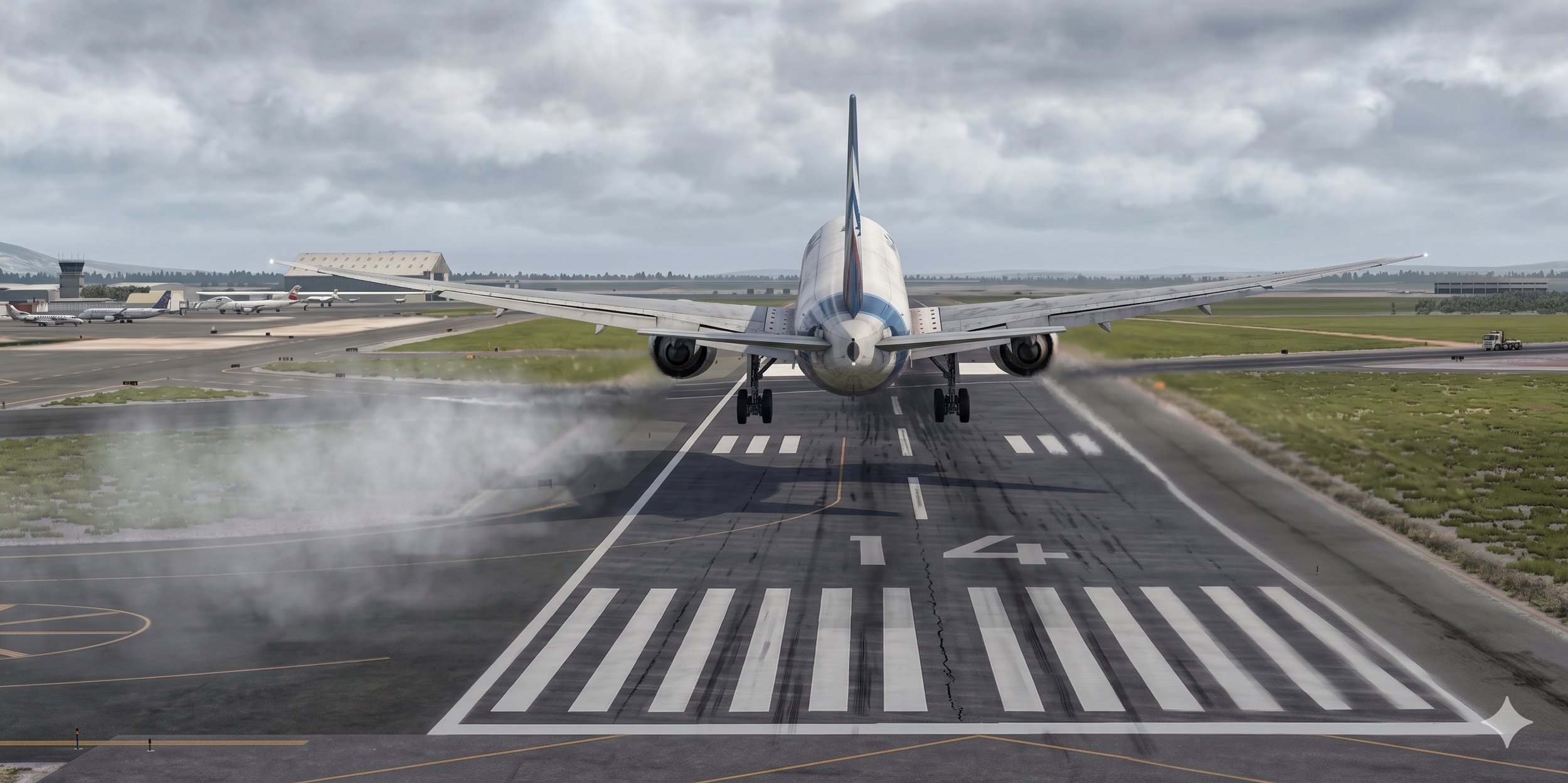
In April, Southwest Airlines launched nonstop service at Sonoma County Airport, adding direct routes to San Diego, Burbank, Las Vegas, and Denver. Just last month, Delta Air Lines announced nonstop service to Salt Lake City International Airport beginning this fall, with two daily round trips operated by SkyWest Airlines. Delta will be the fourth commercial carrier to serve the region, joining Alaska, American, and Southwest. This carrier mix now significantly broadens accessibility to Wine Country: Alaska with its West Coast network and American with its national reach, Southwest with its Southern California and Mountain West routes, and Delta with its Salt Lake City hub, one of the five busiest in the country, connecting to 96 destinations globally.
Route selection involves rigorous demand analysis, passenger yield modeling, and competitive positioning. When Southwest and Delta both chose STS within the same season, they were responding to the same underlying data: sustained and growing demand for access to this region.
For the Buyer
A second or third home that is not within driving distance is only as accessible as its airport. This factor balances the others in the decision: the landscape, the community, the design and quality of the home itself, and the long-term case for the market. It shapes how often the property gets used, how naturally it fits into a life that moves between cities, and sometimes whether the purchase happens at all.
In Wine Country, that has historically meant a commitment to SFO, a commitment that can add hours to every trip. The carrier mix at STS has changed that materially. The airport now connects to the same networks that serious travelers already use, from the same carriers, with the same frequency of service that other established resort destinations have long offered.
Looking Ahead
STS has not arrived at this carrier mix overnight. Southwest in April, Delta in October, and a budget carrier that couldn't sustain the market replaced by two of American aviation's most recognized names.
As Wine Country's infrastructure continues to mature across hospitality, residential, and now aviation, it has become clear that the airport story is not a footnote. It is evidence of a place that continues to earn serious attention from serious organizations. That momentum does not appear to be slowing.