

The Ground Beneath the Vines
From the Margins to the Mainstream
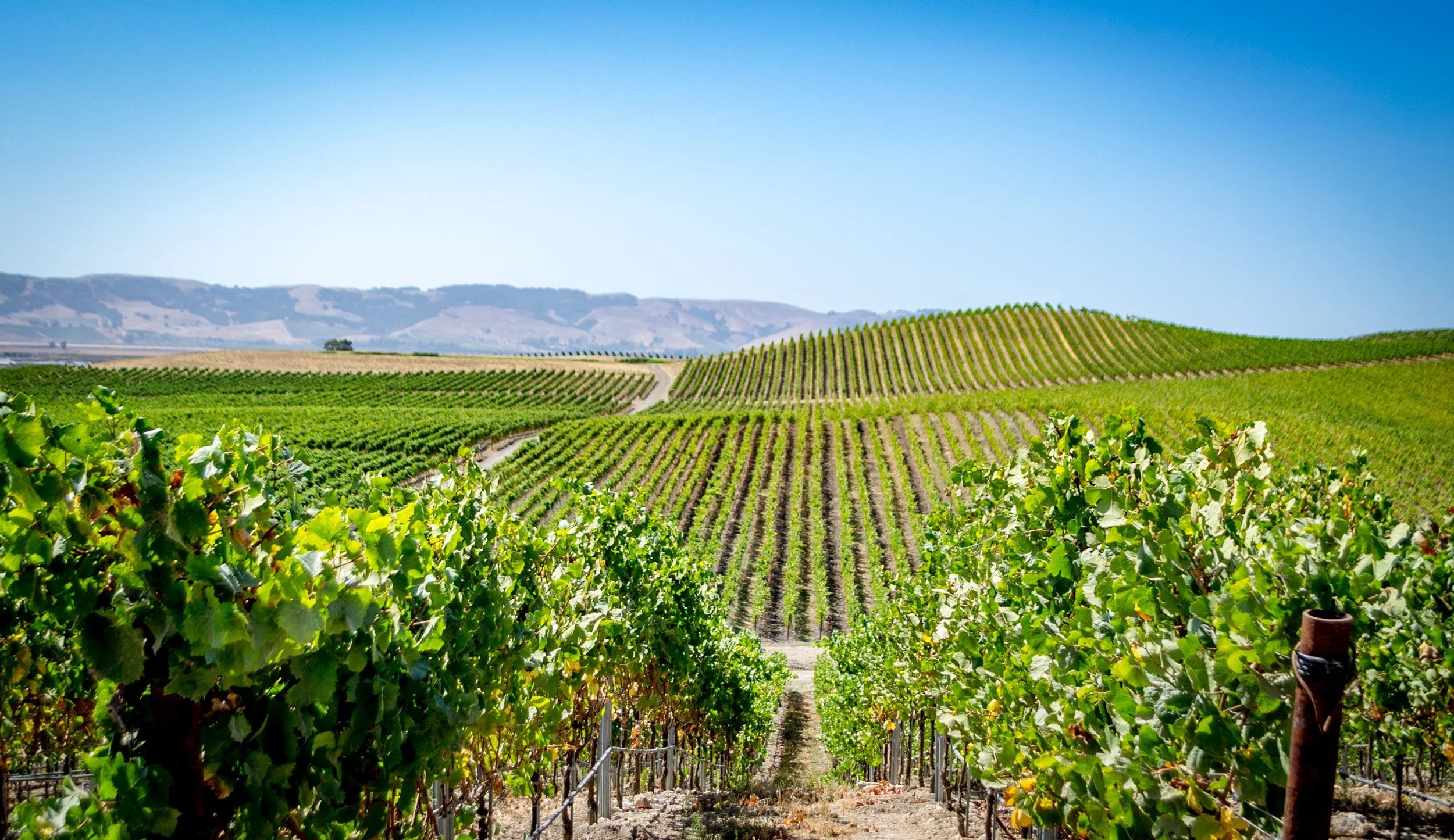
For decades, one common mark of a well-kept Napa vineyard was a clean strip of bare earth beneath the vines: no weeds, no cover, just tidy brown rows running to the horizon. That look had a source most visitors never thought about. Glyphosate, the active ingredient in Roundup and other weed killers sold at every hardware store, was for years one of the most common tools in the valley’s most expensive vineyards.
Now, across Napa Green’s member vineyards, it is largely gone. As of January 1, all 101 member properties, representing roughly 6,000 acres, had eliminated glyphosate entirely. The milestone makes Napa Green the first sustainable winegrowing certification program in the world to require its phaseout.
Giving up glyphosate can mean more hand-weeding, more mowing, and sometimes sheep, all slower and more expensive than spraying, and Napa Green had expected some growers to leave the program over it. But most had already been moving in this direction. Roughly two-thirds were herbicide-free before the rule took effect.
Behind the change is a shift in how growers think about the soil. For a long time, bare dirt read as discipline. More recently, growers have come to regard the soil itself, its fungal and microbial life, as something worth protecting, on the theory that healthier ground produces more resilient vines.
Some of Napa’s most respected estates reached that conclusion long ago. Spottswoode has farmed organically since 1985. Frog’s Leap was the valley’s first certified organic vineyard. Cathy Corison recently marked her thirtieth harvest growing without synthetic chemicals. What once looked eccentric now looks like a head start.
Others have built the same ethic into the broader operation. St. Supéry has invested in solar power, water conservation, recycled process water, soil-moisture monitoring, and electric tractors across its estate holdings. Its solar arrays now offset approximately 94 percent of the winery’s energy bill, while its water use has been cut by half over the past five years. Honig has invested steadily in solar and efficiency for nearly two decades. Grgich Hills offers a useful counter to the assumption that this kind of farming is simply more expensive: its own analysis placed its organic farming costs below the county average.
The economics still vary by site. Farming without herbicides can require more labor and equipment, a real burden in a year when many wineries are already financially squeezed. Glyphosate itself also remains contested, with regulators around the world divided over its risks.
The harder step is still ahead. Napa Green has set a goal of eliminating all synthetic herbicides across its certified vineyards by the end of 2027, and this fall it secured a $3 million grant to help fund the transition, with most of it going directly to growers for practices like cover cropping, composting, no-till farming, and rotational grazing.
The clean, bare rows that once signaled a vineyard’s quality are giving way to cover crops, mechanical mowing, hand-farming, and, in some places, sheep grazing. Rows that look a little less uniform underfoot aren’t a sign of neglect. For a growing share of the valley, they are a sign of the opposite.